
Why We Should Pay Attention to AI Animation Creation Tools Now
The rise of AI video models is lowering the barrier to animation production. Toonkit connects ideas, characters, storyboards, and video generation into one creative workflow.
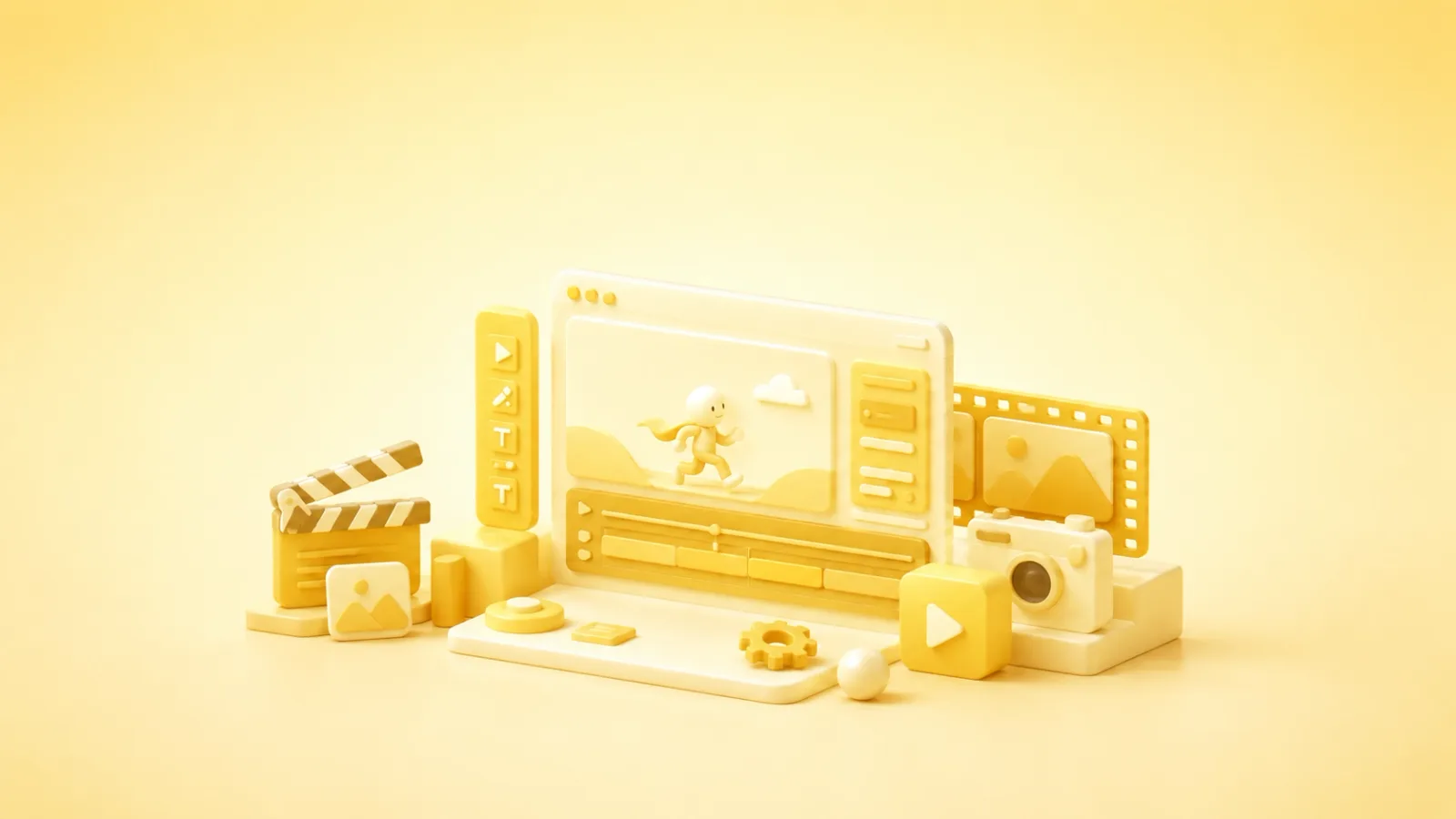
AI video generation technology is rapidly evolving, and the way animation is created is changing with it. In the past, producing an animation required multiple stages, including scriptwriting, character design, storyboarding, key animation, background production, and editing. Because of the time, manpower, and budget involved, creating high-quality animation was not easy for individual creators or small teams.
Today, however, creators can use AI video models within tools like Toonkit to produce short animations based on text or images. The important shift is not simply that “AI can generate videos.” The real value lies in how quickly ideas can be visualized, how consistently multiple scenes can be connected, and how easily creators can bring their intended direction to life. This is why AI animation creation tools like Toonkit deserve attention.
1. They Lower the Barrier to Animation Production
Animation has always been a difficult medium to enter. It requires not only drawing skills, but also an understanding of movement, shot composition, camera direction, and editing. Character-based animation is especially challenging because the character’s face, outfit, and overall style must remain consistent across scenes.
AI animation tools help simplify this process. Instead of handling every production step manually, users can input ideas, build characters and scenes, and quickly generate animated videos. This opens new opportunities for creators, marketers, webtoon and game IP owners, and small teams who have ideas but lack the resources to produce animation through traditional methods.
2. They Fit the Short-Form Content Era
Today’s content is consumed quickly. Platforms like YouTube Shorts, TikTok, and Instagram Reels have shown that even videos lasting only a few seconds to a minute can have strong reach and impact.
AI animation fits naturally into this environment. Instead of producing a full-length TV animation, creators can quickly make short-form content such as character introduction videos, brand ads, webtoon teasers, action shots, emotional loop animations, or product launch videos. It is also well suited for testing multiple ideas and developing the concepts that receive the best response.
3. They Allow Creators to Use Different AI Video Models for Different Purposes
Each AI video model has its own strengths. Kling can be useful for dynamic movement and action scenes. Seedance is strong in multi-shot composition and prompt adherence. Wan can be used for open-source text-to-video and image-to-video creation. Veo is known for high-quality video generation and cinematic expression, including audio.
The future of AI animation production is likely to move away from relying on a single model. Instead, creators will choose and combine different models depending on the purpose of each scene. Tools like Toonkit are important because they provide a workspace where these models can be used within an actual production flow.
4. Character Consistency Is a Core Challenge
Although AI video generation has become easier, character consistency remains one of the biggest challenges. A character may look great in one scene, but in the next scene, the face, outfit, hairstyle, or overall appearance may change. For a single image, one good result may be enough. But animation requires multiple shots to connect, so the character must continue to look like the same person.
This is another reason why AI animation creation tools like Toonkit are worth paying attention to. If character settings, scene composition, style, and shot connections can be managed within one production flow, the overall quality of AI animation can improve significantly. In the end, what matters is not simply creating “moving images,” but making the same character move naturally within the same world.
5. Animation Production Is Becoming a Pipeline
AI animation production is not just about typing a prompt. It involves multiple connected steps: developing an idea, setting up characters, building storyboards, creating images or keyframes, generating videos using different models, editing shots, and adding sound or subtitles.
When this process is spread across many separate tools, the workflow can easily become fragmented. Character information and scene context may also be lost along the way. This is why the need for production tools that connect scripts, storyboards, characters, video generation, and editing into one flow is growing.
6. Creators Can Focus More on Direction
The value of AI animation tools lies in reducing repetitive work. When creators spend less time recreating characters for each shot, adjusting backgrounds, or refining movement manually, they can focus more on the important creative decisions.
What story should be told? How does the character’s emotion change? How should the camera move? What atmosphere should the scene have? What rhythm should connect one shot to the next? These directorial choices become even more important. AI does not replace the entire creative process; rather, it helps creators experiment faster and complete their ideas more easily.
Conclusion
The reason we should pay attention to AI animation creation tools like Toonkit is not simply because the technology is new. These tools are lowering the barrier to animation production, fitting naturally into the short-form content era, enabling creators to use different AI video models for different purposes, and evolving toward solving key challenges such as character consistency and fragmented production workflows.
The future of AI animation will not depend only on who can create the most realistic video. What will matter more is who can create consistent characters and tell complete, compelling stories. In that sense, AI animation creation tools like Toonkit are not just generation tools. They are creative platforms that make a new way of producing animation possible.